Have you ever finished a beautiful crochet or knitting project—only to watch it pill, stretch out of shape, or feel rough against your skin after just a few wears? You followed the pattern perfectly, but something was off. Chances are, the culprit wasn’t your technique—it was the yarn.
Not all yarn is created equal. Behind every skein lies a story of fiber origin, processing methods, and craftsmanship that directly impacts how your finished piece looks, feels, and lasts. Learning to distinguish high-quality yarn from mediocre options isn’t just about spending more—it’s about making smarter choices that honor your time, creativity, and the people who will use or wear your creations.
In this guide, we’ll walk you through the key factors that define yarn quality: fiber content, twist and ply, handfeel, dye consistency, and ethical sourcing. You’ll learn practical tips to evaluate yarn in-store or online, avoid common pitfalls, and invest in materials that elevate your craft. Whether you’re making a baby blanket, a market-ready garment, or a cozy sweater for yourself, knowing how to spot superior fibers will transform your projects from “just okay” to truly exceptional.
Let’s unravel the secrets of great yarn—so your next stitch starts with the best possible foundation.
Fiber Content: The Foundation of Every Great Skein
When it comes to yarn quality, fiber is everything. Think of it like baking: you can follow the perfect recipe, but if you use stale flour or low-grade chocolate, the cake won’t shine. Similarly, the raw material determines everything—softness, drape, durability, and even how it behaves on your hook or needles.
Natural fibers like merino wool, cotton, alpaca, silk, and linen are often prized for their breathability, warmth, and biodegradability. Merino wool, for example, is luxuriously soft (unlike coarse traditional wool) and naturally temperature-regulating—ideal for garments. Egyptian or Pima cotton offers longer staple fibers, resulting in smoother, stronger yarn that resists pilling.
On the other hand, synthetic fibers like acrylic, polyester, or nylon aren’t automatically “bad.” In fact, modern acrylic blends can mimic wool beautifully while offering machine-wash convenience and affordability—great for charity blankets or kids’ items. The key is how they’re made. High-quality acrylic feels soft and has minimal chemical odor; cheap versions feel plasticky and shed microfibers quickly.
💡 Pro Tip: Check the yarn label. A blend like “80% merino wool, 20% nylon” often offers the best of both worlds—natural softness with added strength for socks or high-wear items.
Also, be wary of vague terms like “wool blend” without specifics. Reputable brands list exact percentages and fiber origins. If it’s not clear, it might be a red flag.
Understanding fiber content empowers you to match material to project. A delicate lace shawl? Silk or fine merino. A rugged market tote? Look for tightly spun cotton or hemp blends. When you choose fiber with intention, your finished piece works with you—not against you.
Twist, Ply, and Construction: The Hidden Architecture of Yarn
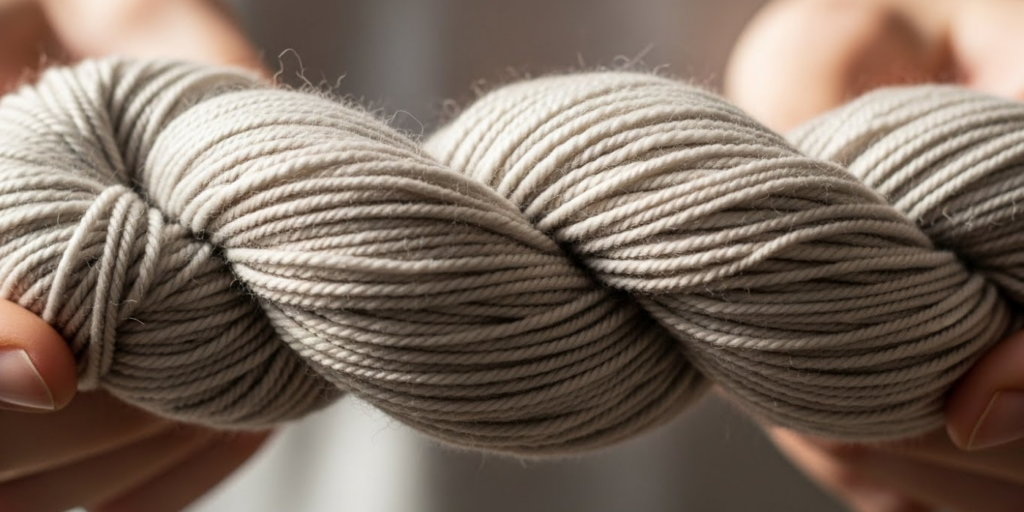
Ever notice how some yarns hold their shape beautifully, while others unravel or split the moment you start stitching? That’s where yarn construction comes in—specifically, twist and ply.
Twist refers to how tightly the individual fibers are spun together. A well-twisted yarn feels firm but not stiff, and resists pilling or fraying. Too little twist, and the yarn feels “fuzzy” or falls apart easily; too much, and it becomes wiry and hard to work with.
Ply describes how many strands (or “plies”) are twisted together to form the final yarn. A 2-ply yarn might be airy and light—perfect for lace—but less durable. A 4-ply or cable-plied yarn offers more structure, stitch definition, and longevity, making it ideal for sweaters or amigurumi.
Here’s a simple test: gently pull a short length of yarn between your fingers. Does it feel cohesive and smooth? Or does it separate into wisps? Try twisting it slightly in the opposite direction—if it springs back, the twist is balanced. If it kinks or breaks, quality may be lacking.
🧶 Real-Life Example: A crocheter used a loosely spun single-ply yarn for a market bag. After two uses, the handles stretched dramatically and stitches distorted. Switching to a 3-ply mercerized cotton solved the problem—proving that construction matters as much as fiber.
Don’t assume “chunky” means low quality, or “superwash” means weak. It’s about balance. High-quality yarn—whether fingering or super bulky—should feel consistent from skein to skein, with even tension and no weak spots.
When in doubt, look for brands known for craftsmanship (like Malabrigo, Berroco, or Lion Brand’s premium lines) or read reviews from other makers who’ve used the yarn in similar projects.
The Feel Test: Trusting Your Hands (and Nose!)
Sometimes, the best quality detector isn’t a label—it’s your own senses. Handfeel (or “hand”) is a textile term that describes how a yarn feels to the touch: soft, crisp, silky, rough, springy, or limp.
High-quality yarn should feel pleasant—not just initially, but after handling it for a while. Rub a strand between your fingers. Does it feel smooth and resilient? Or scratchy, greasy, or brittle? Natural fibers often have a slight “life” to them—they bounce back. Cheap synthetics might feel slick but lifeless, like plastic string.
Also, take a sniff. Yes, really! Fresh, high-quality yarn should have little to no odor. A strong chemical or sour smell can indicate poor dyeing processes, excess processing oils, or low-grade synthetic fibers that haven’t been properly finished.
If you’re shopping online, lean on detailed product photos and customer reviews. Look for phrases like “buttery soft,” “no splitting,” or “holds stitch definition well.” Avoid reviews that mention “itchy,” “sheds like crazy,” or “smells weird.”
🌿 Bonus Tip: If you have sensitive skin or are making items for babies, prioritize undyed or OEKO-TEX certified yarns. This certification ensures the yarn is free from harmful substances—peace of mind you can feel (literally).
Remember: luxury isn’t just about price. A $6 skein of well-made cotton can outperform a $25 skein of poorly spun “designer” yarn. Let your hands be your guide—they’ve stitched countless projects and know what works.
Color and Dye Consistency: Beauty That Lasts
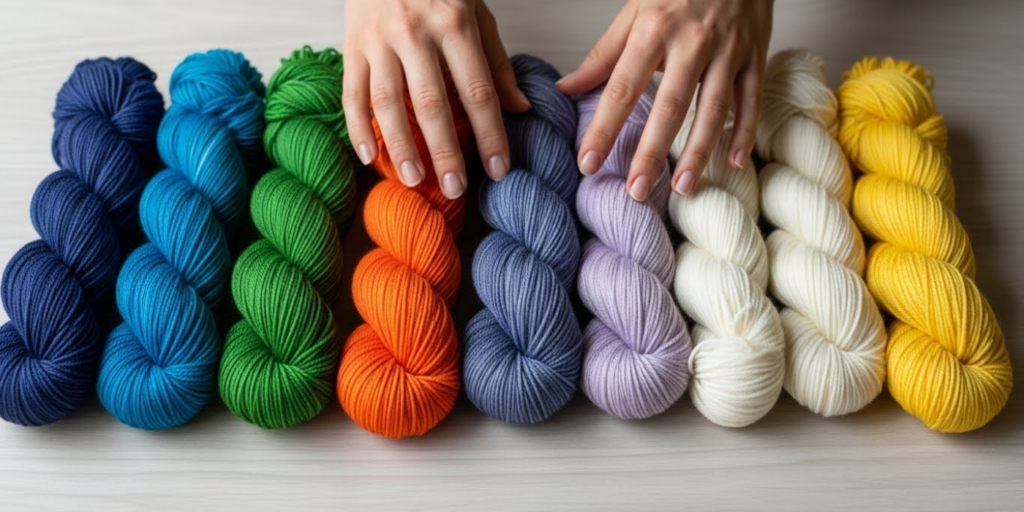
A vibrant, evenly dyed skein is a joy to work with—but color quality goes beyond looks. Poor dyeing can lead to bleeding, fading, or uneven shades between skeins, ruining a multi-skein project.
High-quality yarn features colorfast dyes that won’t bleed in the wash (unless intentionally hand-dyed and labeled as such). Reputable brands test for lightfastness and washfastness, especially for garments. Hand-dyed yarns from trusted indie dyers often include care instructions and batch numbers—crucial for matching dye lots.
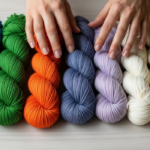
Before buying multiple skeins, check the dye lot number on the label. Even slight variations in dye batches can create visible stripes in large projects like blankets or sweaters. If ordering online, message the seller to ensure all skeins come from the same lot.
Also, examine the color distribution. In semi-solid or variegated yarns, transitions should feel intentional—not muddy or splotchy. In solids, the color should be uniform from start to finish.
📸 Visual Cue: Hold the skein up to natural light. Does the color look rich and consistent? Or dull and patchy? Sometimes, store lighting hides flaws that sunlight reveals.
And don’t forget sustainability: many premium brands now use low-impact or plant-based dyes, which are gentler on the environment and your skin. Brands like Wool and the Gang or Manos del Uruguay proudly highlight their eco-conscious dyeing processes.
Great color isn’t just pretty—it’s practical. It means your finished piece stays beautiful wash after wash, year after year.
Ethical and Sustainable Sourcing: Quality with a Conscience
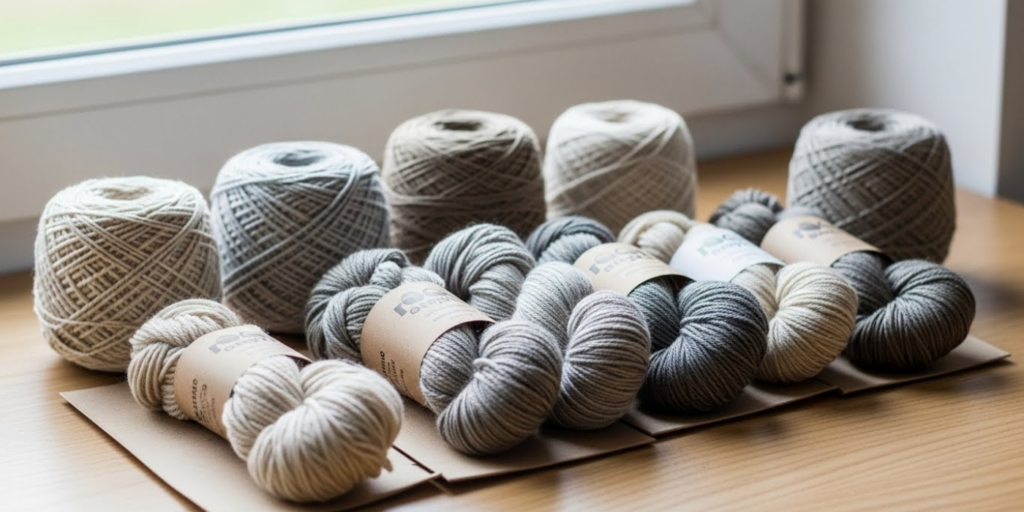
Today’s mindful makers care not just about how yarn feels—but how it’s made. Superior quality includes ethical labor practices, animal welfare, and environmental responsibility.
For wool, look for certifications like Responsible Wool Standard (RWS) or ZQ Merino, which ensure humane treatment of sheep and land stewardship. Alpaca or cashmere should come from farms that avoid mulesing or overgrazing.
Cotton? Opt for organic or Better Cotton Initiative (BCI) sources, which reduce water use and eliminate toxic pesticides. And for synthetics, consider brands using recycled materials, like Re:Blend by We Are Knitters or Lion Brand’s Recycled Denim line.
Yes, ethically sourced yarn sometimes costs more—but it reflects true cost of production, not exploitation. And many crafters find these yarns actually perform better because care is taken at every step.
🌎 Story Moment: One small-batch yarn company in Peru works directly with women’s cooperatives, paying fair wages and using traditional spinning methods. Their alpaca yarn isn’t just soft—it carries the story of empowered artisans. When you choose yarn like this, your craft becomes part of a bigger, beautiful narrative.
As consumers, we vote with our purchases. Choosing transparent, responsible brands encourages the entire industry to raise its standards. That’s quality you can feel proud of—not just in your hands, but in your heart.
Putting It All Together: Your Yarn Quality Checklist
Now that you know what to look for, here’s a quick quality checklist to use the next time you’re choosing yarn—whether in a local shop or browsing online:
✅ Fiber content clearly labeled (e.g., “100% superwash merino,” not just “wool”)
✅ Even twist and ply—no splitting, bald spots, or excessive fuzz
✅ Pleasant handfeel—soft, resilient, and odor-free
✅ Consistent color with matching dye lots for multi-skein projects
✅ Reputable brand or dyer with transparent sourcing and good reviews
✅ Certifications (OEKO-TEX, RWS, organic) when relevant
✅ Purpose-match—is this yarn suited for your project’s needs?
Remember: the “best” yarn isn’t always the most expensive. It’s the one that meets your project’s functional needs, aligns with your values, and brings you joy to work with.
Sometimes, that’s a $3 acrylic for a quick dishcloth. Other times, it’s a $28 skein of hand-dyed silk-blend for a wedding shawl. Both can be “high quality”—in the right context.
Trust your instincts, learn from experience, and don’t be afraid to swatch before committing to a large project. A small test square can save hours of heartbreak later.
Final Thoughts: Quality Yarn, Quality Craft
Choosing superior yarn isn’t about snobbery—it’s about respect. Respect for your time, your creativity, and the people who will use what you make. Every stitch you take is a gift, and starting with thoughtful materials ensures that gift lasts.
From fiber origin to final dye lot, the details matter. But you don’t need a textile degree to spot quality. With a little awareness and these practical tools, you’ll confidently choose yarns that enhance—not hinder—your craft.
So next time you’re standing in the yarn aisle or scrolling through an online shop, pause. Feel the skein. Read the label. Ask: Does this feel like the right partner for my next creation?
Your hooks and needles are ready. Now, give them the best possible material to work with.
We’d love to hear from you! What’s your favorite high-quality yarn brand, and why? Have you ever been surprised by a budget yarn that exceeded expectations? Share your tips and stories in the comments below—let’s help each other stitch with confidence and joy.

Daniele Ferreira is passionate about the world of crochet, dedicating her time to exploring techniques, creating unique pieces, and sharing her knowledge with beginners and aficionados alike. With attention to detail and creativity, she transforms yarn into true works of art, inspiring others to discover the beauty and joy of this manual art.