Introduction
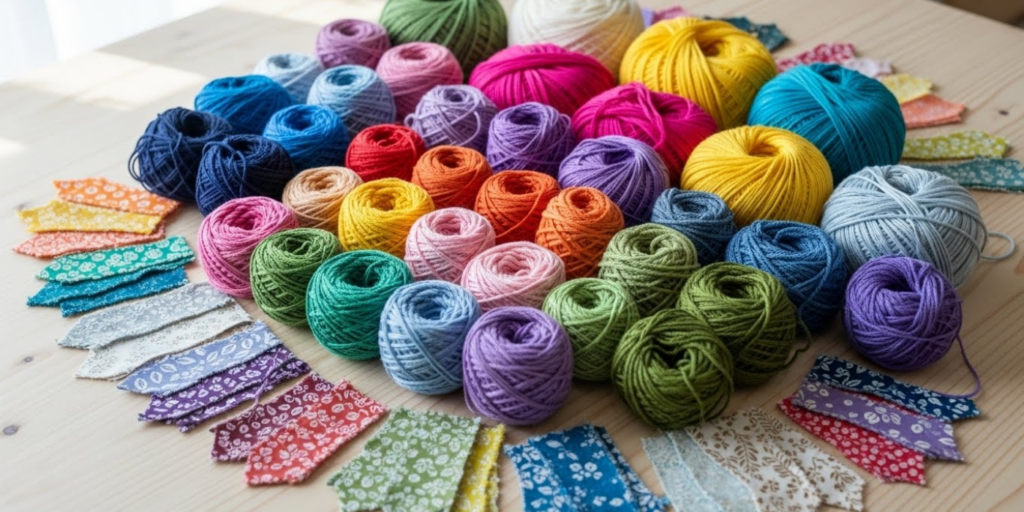
Have you ever gazed at your yarn stash and noticed those lonely scraps—leftover bits from past projects, mismatched skeins, or tiny balls forgotten in a drawer? While they may seem too small to be useful, these yarn remnants hold a world of creative potential. In a time when sustainability and mindful crafting are more important than ever, scrap yarn crochet patterns offer the perfect opportunity to reduce waste, spark innovation, and add color and texture to your handmade creations.
In this article, we’ll explore how you can transform those seemingly insignificant yarn leftovers into beautiful, functional, and even heirloom-worthy pieces. From practical tips on organizing your scraps to inspiring project ideas and pattern suggestions, you’ll discover how to squeeze every inch of value from your yarn collection. Whether you’re a beginner looking for easy starter projects or an experienced crocheter seeking fresh challenges, there’s something here for everyone. So grab your hook, sort through those leftovers, and let’s turn scraps into something spectacular!
Why Scrap Yarn Crochet Matters
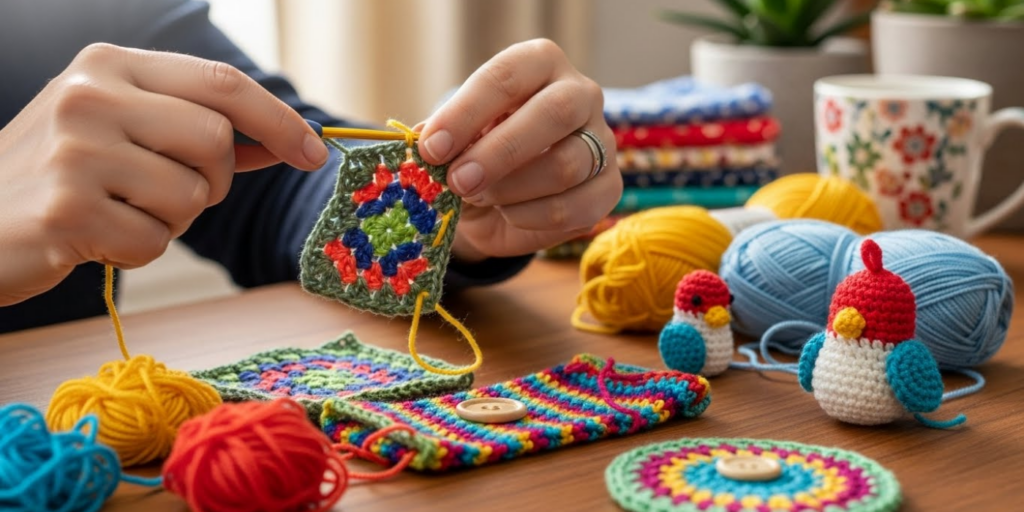
Scrap yarn crochet isn’t just a clever way to tidy up your craft room—it’s a sustainable practice with real impact. The global textile industry is one of the largest polluters on the planet, and while yarn may not be the first thing that comes to mind in that conversation, every skein represents resources: water, energy, and raw materials. By reusing even small amounts, you’re not only saving money but also reducing your environmental footprint.
More than that, working with scraps encourages creativity. When you’re limited by what you have, you’re forced to think outside the box—mixing colors, textures, and weights in unexpected ways. This can lead to unique, one-of-a-kind pieces that reflect your personal style far more than a store-bought item ever could.
Plus, there’s a deep sense of satisfaction in finishing a project knowing you used everything—no waste, no guilt. It’s mindful making at its best. So whether you’re driven by eco-consciousness, frugality, or pure creative joy, scrap yarn crochet offers rich rewards.
Organizing and Storing Your Yarn Scraps
Before you can start crocheting with scraps, you need to know what you have. A chaotic tangle of leftover yarn isn’t inspiring—it’s overwhelming. That’s why a simple organization system can be a game-changer.
Start by sorting your scraps by fiber type (cotton, acrylic, wool, etc.) and weight (fingering, worsted, bulky). Use labeled bins, zip-top bags, or even repurposed jars. For visual appeal and easy access, many crafters wind their scraps into small “yarn cakes” using a swift or even just their hands. Even better: invest in a yarn winder if you plan to do this regularly—it’s a small tool that pays off in saved time and reduced tangles.
Don’t forget to note yardage if possible. A kitchen scale can help you estimate how much you have left, especially for tiny skeins. And while it might feel tedious at first, this step ensures you won’t start a project only to realize halfway through you’re three yards short!
Once your stash is organized, you’ll find it easier to imagine possibilities. A basket of colorful DK-weight scraps might inspire a granny square blanket, while a collection of cotton leftovers could become a set of dish scrubbies. Organization isn’t just about tidiness—it’s the first stitch in your next masterpiece.
Beginner-Friendly Scrap Yarn Projects
If you’re new to crochet or just new to using scraps, start simple. Small, repetitive projects not only build confidence but also let you experiment without pressure. Here are a few beginner-friendly ideas:
- Granny Squares: The classic scrap project! Each square uses just a small amount of yarn, and you can mix and match colors endlessly. Later, join them into blankets, pillow covers, or even tote bags.
- Dishcloths and Washcloths: Cotton scraps are perfect for these. Use basic stitches like single or half-double crochet for a practical, absorbent cloth.
- Coasters: Quick, cute, and customizable. Try hexagon or circle patterns for variety.
- Amigurumi Accessories: Tiny hats, scarves, or flowers for stuffed animals or dolls require minimal yarn and are great for practicing shaping techniques.
The beauty of these projects? You can finish one in an evening, and each gives you a tangible sense of accomplishment. Plus, they make wonderful gifts—especially when handmade with love and leftover materials.
Tip: Keep a “scrap project bag” by your favorite chair. Toss in a hook, a few labeled yarn snippets, and a simple pattern. When you have 15 minutes, you’ve got a mini crafting session ready to go!
Intermediate and Advanced Scrap Techniques
Once you’re comfortable with the basics, you can level up your scrap game with more sophisticated techniques. One popular method is planned pooling, where you intentionally use variegated or self-striping yarn scraps to create geometric or wave-like patterns. While often done with full skeins, crafty crocheters have adapted it for scraps by carefully sequencing color changes.
Another advanced approach is freestyle or improvisational crochet. Without a strict pattern, you let the yarn guide your stitches—creating organic shapes, asymmetrical shawls, or even wearable art. This requires confidence in your stitch knowledge but rewards you with truly unique results.
You can also blend scraps through stripes, color blocks, or mosaic crochet. Mosaic patterns use slip stitches to create intricate designs with just two colors per row—perfect for rotating through your stash. Or try tapestry crochet, where you carry unused yarns along the back of your work to switch colors seamlessly.
For the truly adventurous, consider scrap yarn quilting—crocheting individual motifs (like hexies or motifs) and stitching them together like a patchwork quilt. The result? A stunning heirloom blanket with a story in every square.
Creative Patterns That Celebrate Scraps
You don’t need to wing it—many designers have created patterns specifically for scrap yarn! These celebrate randomness while offering structure. Here are a few standout ideas:
- Striped Scarves or Cowls: Alternate colors every few rows. No two will look alike!
- Rainbow Blankets: Sort scraps by color spectrum and work in gradient rows or blocks.
- Mandala Rugs: Start with a tiny center and spiral outward, changing colors as you go. Even short scraps work if you join them cleverly.
- Scrap Yarn Garland: Perfect for nurseries or holiday decor. Crochet small motifs (stars, hearts, clouds) in various colors and string them together.
Many of these patterns are available as free downloads on platforms like Ravelry or blogs like Moogly and Repeat Crafter Me. Look for tags like “stash-busting,” “scraps,” or “leftover yarn.”
And don’t overlook the power of community. Online groups (like r/OrganizeYourYarn on Reddit or Facebook scrap-crochet circles) often share pattern swaps, challenges, and inspiration. Sometimes, seeing what others made with “nothing” is all the motivation you need.
Sustainability and the Joy of Zero-Waste Crafting
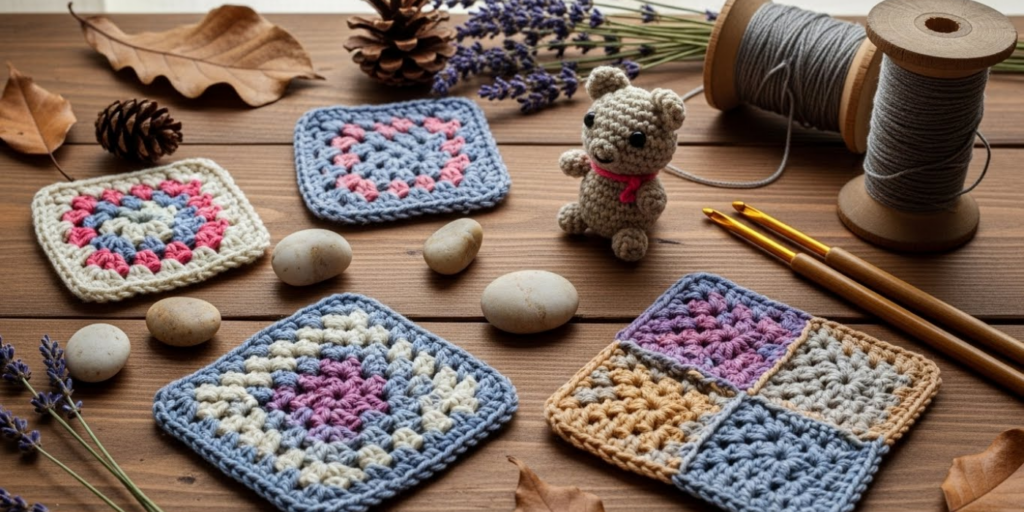
Beyond aesthetics and economy, scrap yarn crochet aligns with a deeper value: mindful consumption. In a world of fast fashion and disposable goods, handmade items represent slowness, intention, and care. Using every bit of yarn honors the craft—and the planet.
Think of it this way: each scrap you use is one less piece heading to landfill. Even synthetic fibers take decades to break down. By repurposing them, you extend their life cycle meaningfully. And if you use natural fibers like cotton or wool, your finished item can even be composted at the end of its life (once hardware like buttons are removed).
But sustainability isn’t just environmental—it’s emotional too. There’s joy in resourcefulness. Remember that half-used ball of mint green yarn from your first baby blanket? Turn it into a keychain charm or a patch for a bag, and you’ve woven memory into material.
In this sense, scrap yarn crochet becomes a quiet act of rebellion: against waste, against mass production, against the idea that only “new” is valuable. It reminds us that beauty—and usefulness—can emerge from what others overlook.
Tips for Seamlessly Joining Yarn Scraps
One common concern with scrap projects is how to join yarns without creating bulky knots or weak spots. Fortunately, there are clean, strong methods:
- Magic Knot: Ideal for same-weight yarns. It’s secure, nearly invisible, and works well even with slippery fibers.
- Russian Join: A favorite among weavers and crocheters alike. You thread the yarn ends back into themselves using a yarn needle, creating a smooth join with no tails to weave in later.
- Spit Splice (for animal fibers only): A traditional technique where you felt the ends together with moisture and friction. Works beautifully with wool.
- Simple Overlap Join: Crochet a few stitches with both old and new yarn held together, then drop the old strand. Easy and effective for practice projects.
Whichever method you choose, consistency matters. Pick one and stick with it throughout a project for a uniform look. And remember: a few visible joins can add character—especially in a boho or rustic piece!
Inspiring Ways to Use Every Last Inch
Still have tiny bits—just inches long? Don’t toss them! Here are creative uses for even the smallest remnants:
- Stuffing for amigurumi: Cut or pull apart short strands and use them as fiberfill.
- Embroidery accents: Use them to add eyes, smiles, or decorative stitches to finished items.
- Yarn pom-poms or tassels: Mix colors for funky trim on hats, bags, or keychains.
- Weaving: Use a small loom or cardboard frame to create mini wall hangings or patches.
- Yarn “painting”: Glue short pieces onto canvas in patterns or words—great for kids’ crafts or mixed media art.
Some crafters even keep a “yarn scrap jar” as a meditation tool—pulling out random colors to spark project ideas or color combinations they’d never have chosen deliberately. Constraint breeds creativity!
Conclusion
Scrap yarn crochet is more than a clever hack—it’s a celebration of creativity, sustainability, and resourcefulness. From organizing your leftovers to stitching them into vibrant coasters, blankets, or art pieces, every inch of yarn holds potential. You don’t need a full skein to start something beautiful; sometimes, all it takes is a few yards and a willing spirit.
As you look at your stash now, see not waste but possibility. Those forgotten bits are waiting to become your next favorite project. So pick up your hook, embrace imperfection, and let your scraps tell a story only you can create.
What’s the smallest scrap you’ve ever turned into something wonderful? Share your stash-busting wins in the comments below—or tag us on social with your latest scrap yarn creation! And if you found this guide helpful, don’t forget to share it with a fellow crocheter who’s drowning in leftovers. Together, we can stitch a more colorful—and conscious—crafting future.

Daniele Ferreira is passionate about the world of crochet, dedicating her time to exploring techniques, creating unique pieces, and sharing her knowledge with beginners and aficionados alike. With attention to detail and creativity, she transforms yarn into true works of art, inspiring others to discover the beauty and joy of this manual art.