Introduction
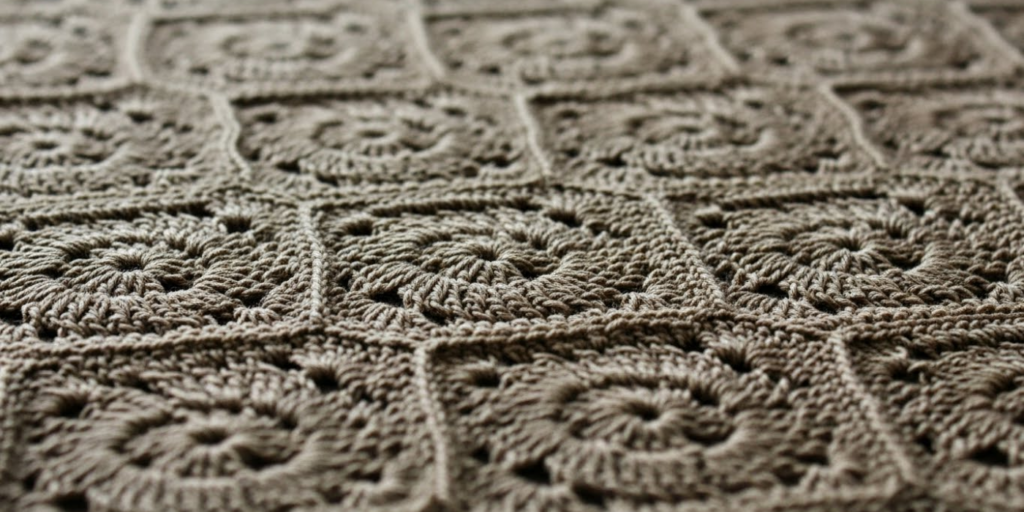
Have you ever looked at a crocheted blanket and mistaken it for woven fabric—only to discover it was made entirely with a hook and yarn? That’s the magic of crochet entrelac. With its interlocking diamond or square blocks, this technique mimics the look of woven textiles, creating rich depth, bold geometry, and eye-catching dimension—all while using only basic stitches.
Though it may look complex at first glance, entrelac is surprisingly approachable once you understand its rhythm. And in today’s handmade world—where texture, sustainability, and visual interest drive craft trends—entrelac offers crocheters a powerful way to elevate everything from cozy throws to fashion-forward totes.
In this article, we’ll unravel the beauty and versatility of crochet entrelac. You’ll learn how it works, why it’s perfect for using up stash yarn, and how to avoid common beginner pitfalls. We’ll also explore creative applications (think scarves, baby blankets, and even home décor), share practical tips for clean joins and smooth tension, and showcase how color choices can transform a simple pattern into a showstopper.
Whether you’re a seasoned crocheter looking to expand your skills or a curious beginner drawn to textured design, this guide will help you confidently stitch your first (or next) entrelac masterpiece.
1. What Is Crochet Entrelac—and Why Does It Captivate So Many Makers?
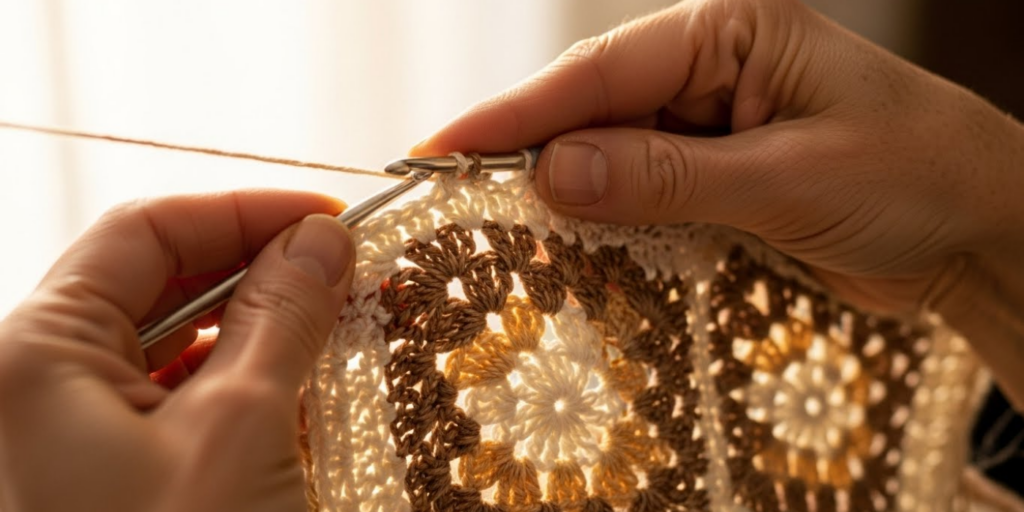
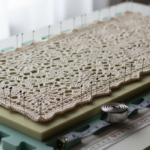
Crochet entrelac is a technique that creates a woven-like, basketweave fabric made up of interconnected triangles and rectangles (or diamonds, depending on stitch direction). Unlike traditional crochet worked in rows or rounds, entrelac builds fabric in segments—starting with a base row of triangles, then adding side triangles and squares in a specific sequence that “locks” them together.
The result? A dynamic, three-dimensional surface that catches light beautifully, drapes elegantly, and feels luxuriously textured.
Part of its appeal lies in the illusion it creates. Guests often ask, “Did you weave that?”—a testament to how convincingly it mimics loom-made textiles. But unlike weaving, which requires special equipment, entrelac needs only your hook, yarn, and patience.
Moreover, entrelac is inherently modular. Each block is worked individually before being joined to its neighbors, making it ideal for:
- Stash-busting: Use up leftover yarns in small quantities.
- Color play: Experiment with gradients, stripes, or bold contrasts.
- Mindful crafting: The repetitive, meditative rhythm helps reduce stress.
According to a 2024 survey by YarnCraft Weekly, entrelac projects saw a 45% increase in pattern downloads over the past two years, especially among makers aged 25–45 seeking “textured, heirloom-quality” pieces. Clearly, this technique isn’t just surviving—it’s thriving.
2. Getting Started: The Basic Structure of Entrelac
Don’t let the intricate look fool you—entrelac follows a predictable sequence once you grasp the building blocks.
Every entrelac project begins with a foundation row of right-side-up triangles. These are typically made by increasing stitches row by row (e.g., 1 sc, then 2 sc, then 3 sc, etc.) until you reach your desired block width—often 8–12 stitches.
Then come the side triangles, worked along the edge of the foundation, which slant in the opposite direction. After that, you add squares, each anchored to the side of a previous triangle and worked in short rows that decrease and then increase again.
Finally, a top row of inverted triangles closes the piece, mirroring the foundation.
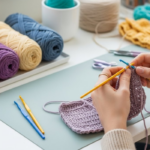
Key tip for beginners: Start small! A washcloth or coaster (using worsted weight yarn and a G or H hook) is the perfect first project. It’s quick, forgiving, and lets you practice tension without investing weeks of work.
Many new crocheters worry about loose corners or gaps between blocks. The secret? Blocking. Once finished, a gentle steam or wet block will even out stitches and tighten joins—transforming a “messy” piece into something polished.
Also, don’t skip the gauge swatch. Because entrelac relies on consistent block size, your tension directly affects how well pieces align. A few minutes of swatching can save hours of frustration later.
3. Color Strategy: Turning Simple Stitches Into Art
One of entrelac’s greatest strengths is how dramatically color transforms the pattern. The same stitch structure can look minimalist, playful, or luxurious—depending entirely on your palette.
Here are three proven approaches:
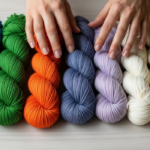
- Monochromatic elegance: Use varying shades of one color (e.g., ivory, oatmeal, and taupe). This highlights texture over hue and creates a sophisticated, modern look—perfect for blankets or sweaters.
- Graphic contrast: Alternate between two bold colors (like navy and cream) for high-impact geometry. Great for scarves, bags, or baby blankets where you want the pattern to “pop.”
- Gradient flow: Work through a tonal progression—say, blush → rose → burgundy. This softens the angular blocks and adds fluid movement, ideal for shawls or throws.
Pro advice: When changing colors, carry yarn up the side instead of cutting between blocks (unless working with non-wool fibers that felt poorly). This reduces ends to weave in and keeps the back neat.
Also, consider yarn texture. Smooth, plied yarns (like cotton or merino) show stitch definition best. Avoid fuzzy or novelty yarns—they obscure the woven effect entrelac is known for.
Real-life example: Maker and designer Elena R. created an entrelac tote using six shades of green leftover from other projects. “It looked chaotic in my stash,” she says, “but in entrelac, the colors told a story—like forest layers.” The bag now gets compliments everywhere she goes.
4. Beyond Blankets: Unexpected Ways to Use Entrelac
While entrelac blankets are iconic, this technique shines in unexpected applications—especially when you want texture with structure.
- Fashion: Entrelac’s drape makes it ideal for cardigans, vests, and skirts. Designers like Toni Lipsey (of TL Yarn Crafts) have used entrelac in modern garments that blend boho flair with clean lines.
- Accessories: Try mittens, beanies, or infinity scarves. The fabric’s flexibility ensures comfort, while the texture adds visual interest to simple silhouettes.
- Home décor: Pillows, table runners, and even lampshades benefit from entrelac’s structured yet soft finish. A set of entrelac coasters in coordinating colors makes a stunning hostess gift.
- Baby items: Because the fabric is thick but breathable, entrelac loveys or stroller blankets hold up well to washing and daily use.
Bonus idea: Combine entrelac with other stitches! Frame an entrelac panel with a simple border of shell or popcorn stitches for contrast. Or use entrelac as an accent—say, on the yoke of a sweater or the front of a tote.
Practical tip: For garments, choose a drape-friendly yarn (like a cotton-bamboo blend) and work a gauge swatch in the actual entrelac pattern, not just single crochet. The fabric behaves differently!
5. The Mindful Rhythm of Entrelac: More Than Just a Stitch
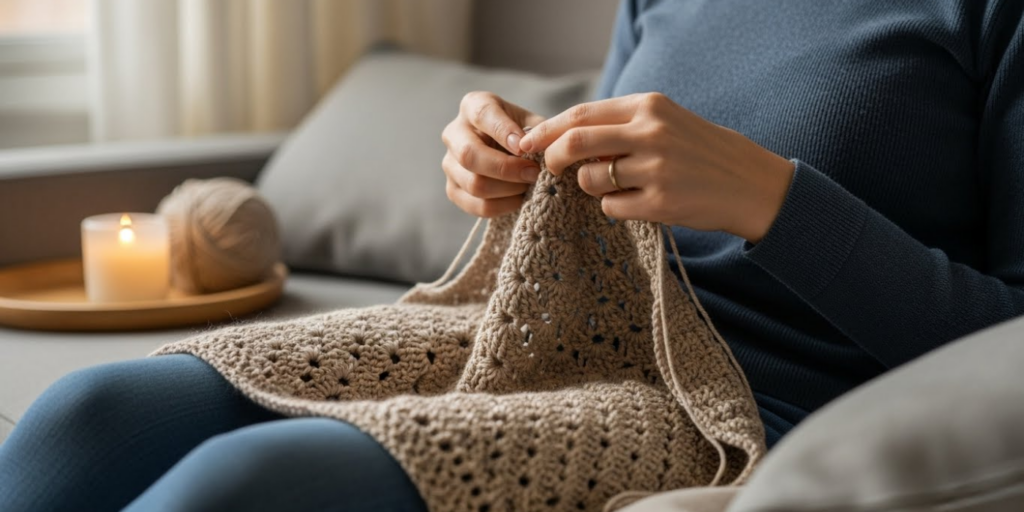
There’s something deeply satisfying about entrelac’s structure. Each block is a small victory. Each row builds on the last with mathematical precision. And the process—short rows, frequent turns, color changes—creates a meditative flow that many crocheters describe as “active mindfulness.”
Unlike mindless TV crochet, entrelac demands just enough attention to quiet mental chatter without causing stress. It’s the craft equivalent of a puzzle or yoga: engaging, rewarding, and centering.
Moreover, finishing an entrelac project builds creative confidence. Because it looks so advanced, gifting or wearing one feels like sharing a secret superpower. “People assume I’ve been crocheting for decades,” laughs James, a maker who learned entrelac during lockdown. “But it was my third project ever.”
This technique also encourages intentional making. Since each block uses a small amount of yarn, you’re more likely to plan colors, consider fiber quality, and savor the process—aligning perfectly with slow fashion and anti-waste values.
In a world of fast trends and disposable goods, entrelac invites us to slow down, build slowly, and create something that lasts—stitch by interlocking stitch.
Conclusion
Crochet entrelac is more than a technique—it’s a gateway to texture, artistry, and mindful creation. With its woven illusion, modular design, and stunning visual impact, it empowers crocheters to craft pieces that feel both handmade and haute.
From choosing the right yarn and mastering the block sequence to playing with color and expanding into fashion or home décor, entrelac offers endless room for creativity—without requiring advanced skills.
So if you’ve ever admired a woven-looking blanket or wanted to turn your yarn scraps into something extraordinary, now’s the time to give entrelac a try. Start small, be patient with the learning curve, and remember: every expert was once a beginner staring at their first row of triangles.
We’d love to hear from you! Have you tried crochet entrelac? What project are you dreaming of making? Share your experiences, questions, or photos in the comments below—and don’t forget to tag a fellow crocheter who’d fall in love with this technique too. Happy stitching! 🧶✨

Daniele Ferreira is passionate about the world of crochet, dedicating her time to exploring techniques, creating unique pieces, and sharing her knowledge with beginners and aficionados alike. With attention to detail and creativity, she transforms yarn into true works of art, inspiring others to discover the beauty and joy of this manual art.