Introduction
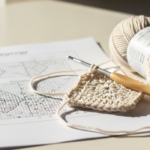
There’s something quietly magical about holding a decades-old crochet pattern—yellowed paper, handwritten notes in the margins, and stitch instructions that feel like a secret passed down through time. In a world of fast fashion and fleeting trends, vintage crochet patterns offer a refreshing return to craftsmanship, elegance, and intentionality.
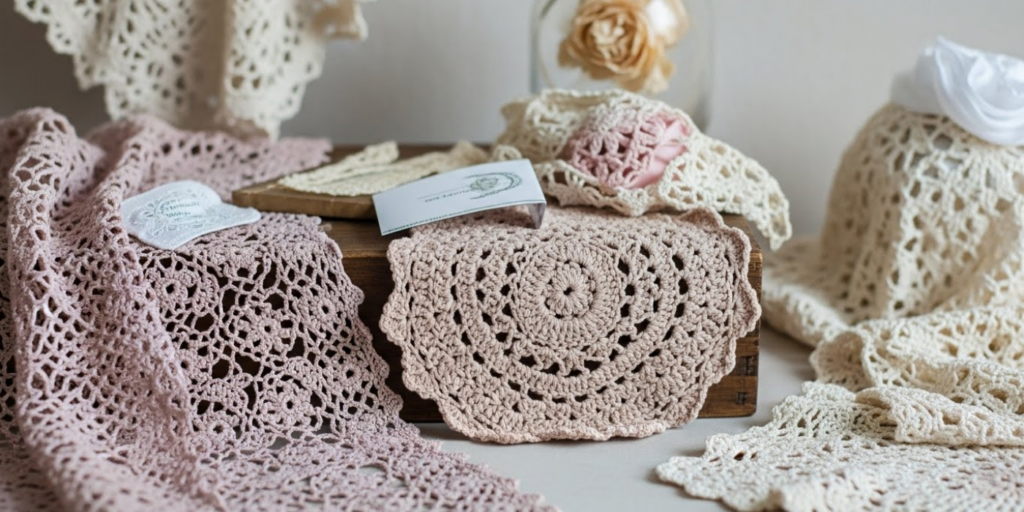
From delicate doilies and cozy afghans to structured cardigans and lace-edged baby booties, these timeless designs aren’t just relics—they’re ripe for revival. Whether you’re a history-loving maker or simply drawn to the charm of mid-century motifs, reworking vintage patterns can add depth, uniqueness, and soul to your modern projects.
In this article, we’ll explore why vintage crochet patterns are worth your attention, how to find and decode them, and practical ways to adapt them for today’s yarns, styles, and lifestyles. You’ll discover how to honor the past while making it beautifully relevant for the present—and maybe even create heirlooms of your own.
So grab your hook, dust off that attic trunk (or browse a digital archive), and let’s stitch a bridge between then and now.
1. Why Vintage Patterns Still Matter
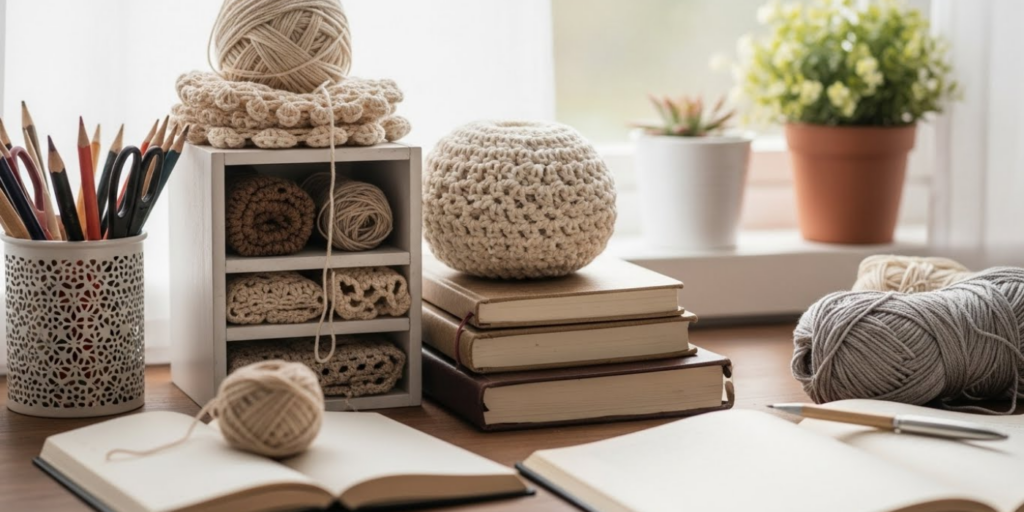
Vintage crochet patterns—typically those published before the 1980s—aren’t just nostalgic; they’re masterclasses in technique and design. Back then, crochet wasn’t just a hobby; it was a vital domestic skill. Patterns were detailed, efficient, and often created by home crafters who understood real-life use.
What makes them special?
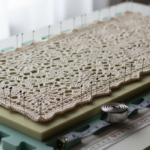
- Intricate stitch work: Think pineapple motifs, filet crochet, and Irish lace—techniques rarely seen in today’s beginner-focused patterns.
- Zero-waste design: Many vintage patterns use every inch of yarn, with borders and edgings cleverly integrated.
- Timeless aesthetics: The clean lines of a 1950s shell-stitch cardigan or the geometric precision of a 1970s granny square afghan never truly go out of style.
Moreover, using vintage patterns is a form of slow crafting—a mindful rebellion against mass production. One maker shared how crocheting her grandmother’s 1940s table runner helped her reconnect with family history: “It felt like we were stitching together across generations.”
In short, these patterns aren’t outdated—they’re underutilized treasures waiting for a new audience.
2. Where to Find Authentic Vintage Crochet Patterns
You don’t need an antique shop or a time machine to access vintage patterns. Thanks to digitization and passionate collector communities, thousands are now free or affordable online.
Top sources include:
- Ravelry’s “Vintage” category: Filter by decade (e.g., 1930s–1970s) and browse user-tested patterns.
- Etsy: Sellers offer scanned originals or cleaned-up PDFs of rare booklets—often for $2–$5.
- Archive.org: The Internet Archive hosts entire catalogs from brands like Coats & Clark, Lily, and Butterick, dating back to the early 1900s.
- Local libraries: Many carry vintage needlework magazines (Better Crochet, The Needlecraft Magazine) in microfilm or special collections.
- Thrift stores and estate sales: Keep an eye out for old pattern booklets tucked inside sewing kits or recipe boxes.
Pro tip: Search terms like “free vintage crochet pattern PDF 1950s” or “public domain crochet doily” yield surprisingly rich results. And many are in the public domain, meaning you can use, adapt, or even sell items made from them (though always verify copyright status).
By exploring these resources, you’re not just finding patterns—you’re uncovering stories.
3. Decoding Vintage Language and Terminology
If you’ve ever opened a 1940s pattern and wondered what a “puff treble” or “cluster shell” is—you’re not alone. Vintage patterns often use outdated terms, abbreviations, or vague instructions that assume you already know the basics.
For example:
- “Tr” might mean treble crochet in UK terms—but double crochet in modern US terms.
- “Make a loop” could refer to a magic ring… or a simple slip knot, depending on context.
- Gauge is rarely specified, leaving you to swatch and adjust.
Here’s how to decode them:
- Use a vintage-to-modern stitch conversion chart (many free ones exist online).
- Watch YouTube tutorials for specific vintage stitches—search “1950s crochet shell stitch tutorial.”
- Swatch generously. Since yarn weights have changed, your modern worsted may not match the “4-ply” called for in 1960.
Don’t be discouraged by ambiguity. Think of it as detective work. One crocheter told me she treated old patterns like “poetry—you interpret, adapt, and make it your own.”
And that leads perfectly to our next point: modernizing these designs with confidence.
4. Adapting Vintage Patterns for Today’s Yarns and Lifestyles
Let’s face it: not every vintage design fits modern life. Do you really need a lacy antimacassar for your velvet chaise? Probably not. But that same lace pattern could become a stunning boho crop top or wedding veil edging.
Start by asking:
- Who is this for? (A gift? A baby? Yourself?)
- Where will it be used? (Daily wear? Home decor?)
- What yarn suits my needs? (Machine-washable? Eco-friendly? Budget-friendly?)
Then, make smart updates:
- Resize garments: Use a modern size chart to adjust stitch counts.
- Simplify complex motifs: Replace a 20-round doily with a 10-round version for coasters.
- Substitute yarns wisely: A vintage pattern calling for wool can often use cotton or acrylic—just check drape and gauge.
- Add modern functionality: Turn a 1970s shawl into a scarf with hidden pockets, or a bedspread into a weighted lap blanket.
One designer reworked a 1930s pineapple tablecloth into a crochet wedding cape—light, airy, and utterly unique. “The bones were already perfect,” she said. “I just gave it new purpose.”
Adapting isn’t disrespecting the original—it’s honoring it by keeping it alive.
5. Preserving and Sharing the Legacy
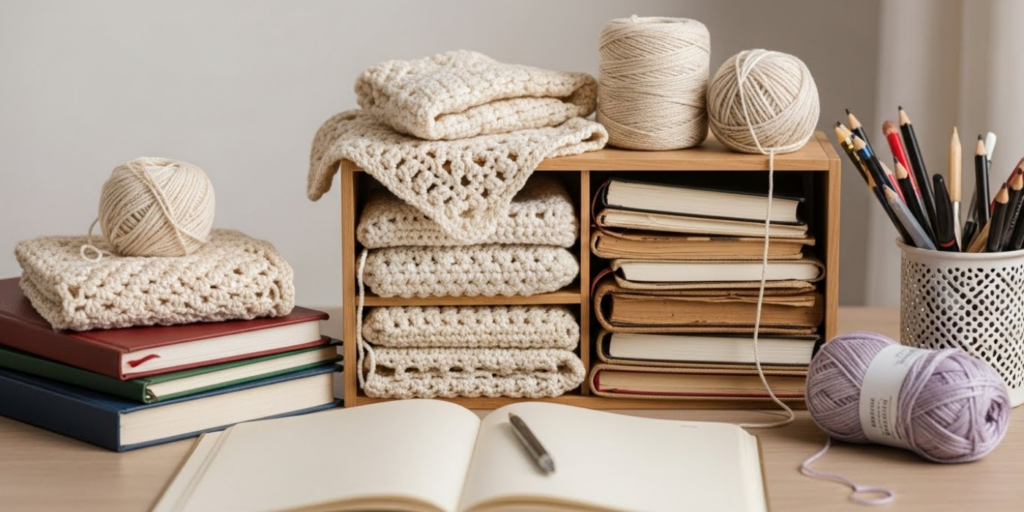
When you work with vintage patterns, you become a steward of craft heritage. But that legacy only continues if we share it.
How to give back:
- Document your makes: Post photos with #VintageCrochetRevival or tag archives on social media.
- Write clear adaptations: If you modernize a public domain pattern, share your updated version (with credit to the original).
- Teach others: Host a “vintage stitch night” in your local crafting group or online community.
- Archive family patterns: Scan or transcribe handwritten patterns from relatives before they’re lost.
Consider this: every time you crochet a vintage design, you’re not just making an object—you’re keeping a skill alive. In an age where fewer people learn needlework, your hooks carry cultural memory.
As one elder crocheter told a young maker: “You’re the reason my stitches still matter.”
6. Finding Inspiration in the Past—Without Being Trapped by It
While vintage patterns are inspiring, you don’t need to replicate them exactly. The real joy lies in fusion: blending old techniques with new vision.
Try this challenge:
- Pick a vintage motif (like a 1950s pineapple or 1970s ripple stitch).
- Use it in a completely modern context—a phone cozy, plant hanger, or market bag.
- Combine it with bold colors or unexpected yarn (like recycled t-shirt yarn or metallic thread).
This approach keeps your work fresh while paying homage to tradition. And it proves that “timeless” doesn’t mean “frozen in time”—it means eternally adaptable.
Conclusion
Vintage crochet patterns are more than just old instructions—they’re portals to a richer, more intentional way of making. They teach patience, precision, and creativity, while offering designs that have already stood the test of time.
By learning where to find them, how to read them, and ways to thoughtfully adapt them, you can breathe new life into these classics—without losing their soul. Whether you’re stitching a doily for your coffee table or reimagining a 1940s cardigan as a festival top, you’re participating in a beautiful craft continuum.
So don’t let those patterns gather dust. Dive in, experiment, and make them yours. After all, the best heirlooms aren’t just inherited—they’re recreated with love.
We’d love to see what you make! Have you revived a vintage pattern recently? What surprised you about the process? Share your projects, tips, or favorite sources in the comments below. And if you know a fellow maker who’d geek out over 1960s afghan motifs, send them this article—let’s keep the legacy looping!
Happy vintage stitching! 🧶

Daniele Ferreira is passionate about the world of crochet, dedicating her time to exploring techniques, creating unique pieces, and sharing her knowledge with beginners and aficionados alike. With attention to detail and creativity, she transforms yarn into true works of art, inspiring others to discover the beauty and joy of this manual art.