Introduction
Imagine unwrapping a beautifully wrapped gift, only to find a soft, colorful crochet blanket inside—each stitch infused with care, creativity, and personality. That first impression? It’s not just about the product; it’s about the experience. In today’s crowded handmade marketplace, your crochet creations deserve more than just a plastic bag and a label. Thoughtful packaging and branding can transform a simple handmade item into a cherished keepsake—and turn one-time buyers into loyal fans.
Whether you’re selling at local craft fairs, on Etsy, or through your own online store, how you present your crochet products speaks volumes before a single word is read or a single stitch is touched. With so many talented makers offering similar items, it’s your brand story, visual identity, and unboxing experience that set you apart.
In this article, we’ll explore practical, creative, and budget-friendly ideas to elevate your packaging and branding game. From choosing eco-friendly materials to crafting a memorable logo and voice, you’ll discover how small details can make a big impact. We’ll also cover real-world examples, actionable tips, and common pitfalls to avoid—so you can confidently package your passion and build a brand that resonates. Ready to stitch your way to standout success? Let’s dive in!
1. Why Packaging Matters Just as Much as the Product
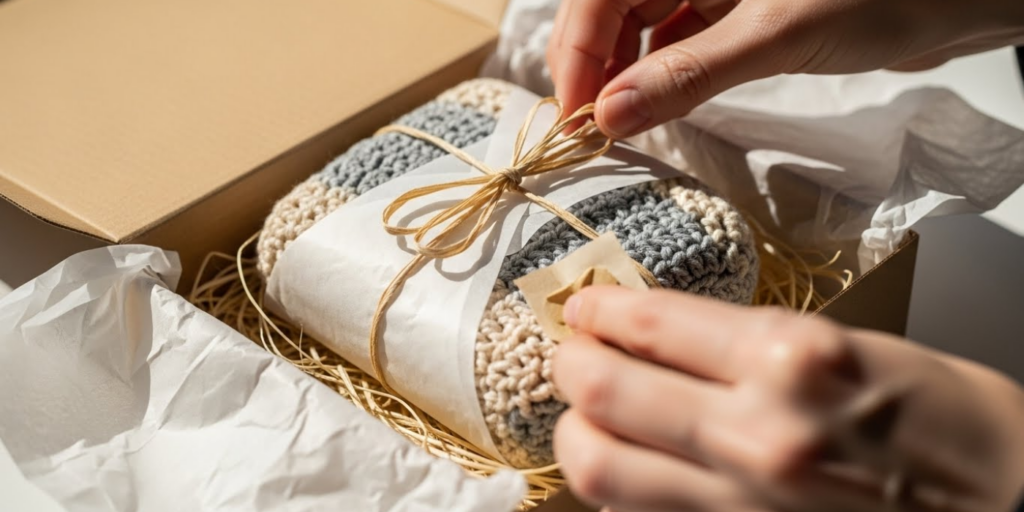
When someone receives a handmade crochet item, they’re not just buying a beanie or a baby blanket—they’re buying a moment of joy, a connection, and often, a story. Packaging is the first chapter of that story. It’s the tactile and visual gateway to your brand.
Consider this: a study by Dotcom Distribution found that 40% of consumers are likely to share an image of unique packaging on social media. That’s free marketing—driven purely by how your item arrives. On the flip side, poor or generic packaging can undermine the perceived value of even the most exquisitely crafted piece.
For crochet artisans, thoughtful packaging does three key things:
- Protects your delicate items during shipping.
- Communicates your brand’s personality and values (e.g., eco-conscious, whimsical, minimalist).
- Creates a memorable experience that encourages repeat purchases and word-of-mouth referrals.
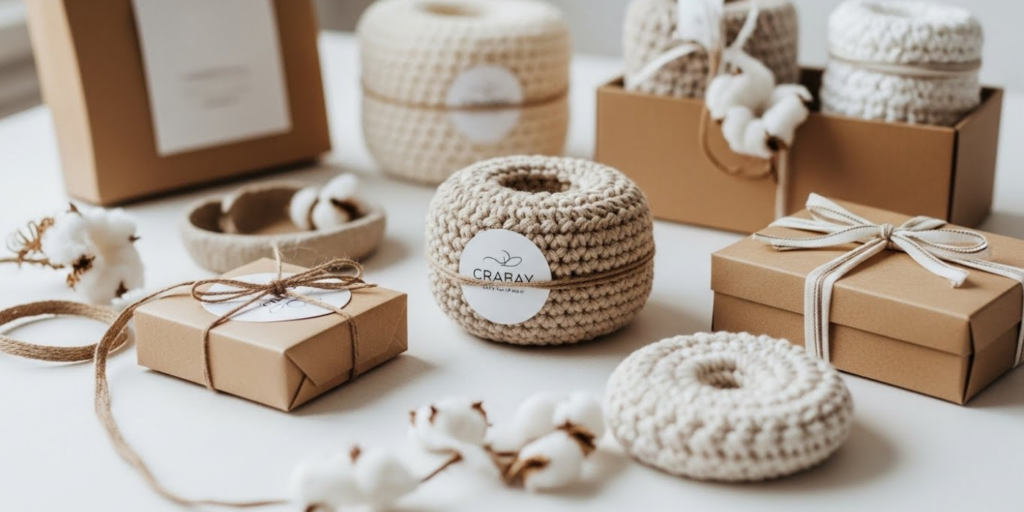
Think of your packaging as a silent salesperson. It works 24/7, even when you’re asleep. A kraft paper box tied with twine, a custom sticker with your logo, or a handwritten thank-you note—these aren’t just “extras.” They’re emotional touchpoints.
And don’t worry—creating standout packaging doesn’t require a big budget. Many successful makers use recycled materials, DIY stamps, or printable templates to keep costs low while maximizing charm. The key is consistency and intentionality. Every element should feel like part of a cohesive whole.
2. Building a Brand Identity That Reflects Your Crochet Style
Before you design a single label or order a roll of washi tape, take a step back. What is your brand’s personality? Are your crochet pieces bold and boho? Sweet and nostalgic? Modern and minimalist? Your visual identity should mirror the essence of your work.
Start by defining three adjectives that describe your brand. For example: “whimsical, cozy, handmade.” These words will guide every decision—from your logo font to your Instagram filter.
Next, choose a color palette. Limit it to 3–4 core colors that complement your yarn choices and appeal to your target audience. A baby crochet shop might lean into soft pastels, while a goth-inspired amigurumi line could use deep purples, blacks, and silvers.
Your logo doesn’t need to be complex. Sometimes, a simple monogram (like your initials stitched together) or a tiny icon (a crochet hook, a heart, a ball of yarn) is enough. Tools like Canva or Looka make it easy to design a professional-looking logo—even if you’re not a graphic designer.
Equally important is your brand voice. How do you “speak” to your customers? Warm and friendly? Quirky and playful? Elegant and refined? Use that tone consistently across your product tags, social media bios, and email newsletters. For example, instead of “Thank you for your purchase,” try “Thanks for supporting my little corner of cozy magic!”
Remember: branding isn’t about being flashy—it’s about being recognizable and relatable. When someone sees your package in their mailbox, they should instantly think, “Oh, this is from [Your Shop Name]!”
3. Creative and Eco-Friendly Packaging Ideas That Wow
Now for the fun part—turning your packaging into an experience. The goal is to make unboxing feel like a gift (even if your customer bought it for themselves!).
Start with sustainable materials. Today’s shoppers care deeply about the environment. Use:
- Recycled kraft mailers or cardboard boxes
- Biodegradable tissue paper (look for soy-based inks)
- Cotton twine or jute rope instead of plastic ribbon
- Compostable stickers or paper tape
Add layers of delight:
- Outer wrap: A branded sticker sealing the package adds polish.
- Inner layer: Wrap your item in soft tissue paper. Spritz it lightly with lavender or vanilla for a sensory touch (test for colorfastness first!).
- Personal note: A tiny card with a handwritten “Thank you!” or a fun crochet tip builds connection.
- Extras: Include a small freebie—like a crochet care guide, a mini stitch marker, or a discount code for their next purchase.
For seasonal items (like holiday ornaments or summer baby booties), tailor your packaging to the occasion. A spring-themed soap sachet or a tiny dried flower tucked into a baby blanket’s fold can make your item feel extra special.
Pro tip: Reusable packaging doubles as marketing. Consider selling your crochet goods in a branded cotton drawstring bag—customers can reuse it for yarn storage, travel, or gifting. It’s practical, eco-friendly, and keeps your brand in their daily life.
4. Practical Tips for Consistency, Cost, and Scalability
As your crochet business grows, your packaging system should too—but it shouldn’t break the bank or overwhelm your workflow.
Batch your materials. Buy your stickers, tags, and mailers in bulk to save money. Many eco-friendly packaging suppliers (like noissue or EcoEnclose) offer custom printing with low minimums.
Create a packaging station. Dedicate a small area in your crafting space with everything you need: scissors, tape, stamps, thank-you cards. When orders come in, you can assemble packages quickly without hunting for supplies.
Standardize your process. Decide on one or two packaging “kits” based on product size. For example:
- Small items (keychains, earrings): Kraft envelopes + sticker + thank-you note
- Medium items (hats, scarves): Recycled box + tissue + branded tag
- Large items (blankets, stuffed animals): Sturdy mailer + folded tissue + care card
This reduces decision fatigue and ensures consistency.
Track your costs. Packaging should ideally be 5–10% of your product’s retail price. If it’s more, look for alternatives. A $25 beanie shouldn’t cost $8 to ship and pack—unless it’s a luxury positioning.
Finally, ask for feedback. Encourage customers to share unboxing photos or reviews. Their input can reveal what’s working—and what’s not.
5. Turning Customers into Brand Advocates Through Storytelling
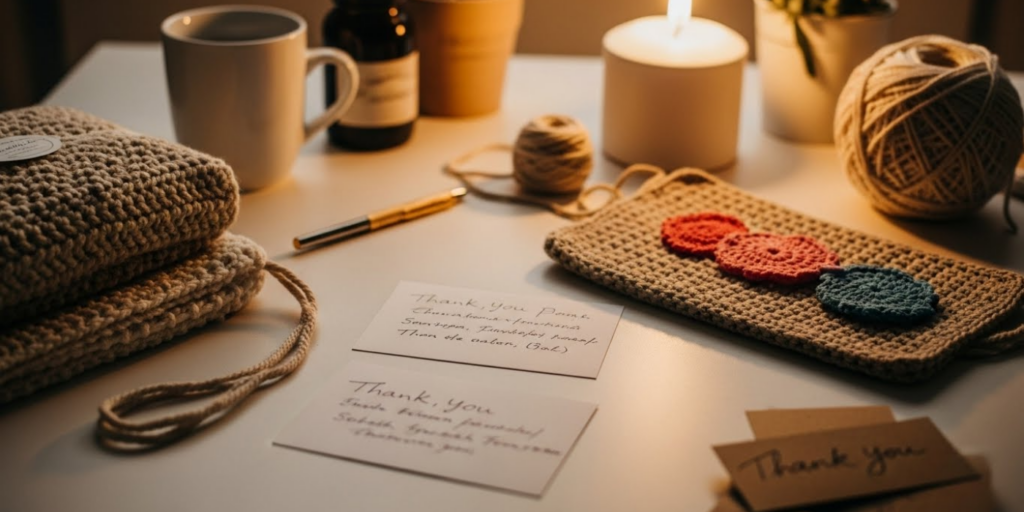
The most powerful branding doesn’t just sell a product—it shares a why.
Why did you start crocheting? Maybe it was a way to cope with anxiety, bond with your grandmother, or find creative joy during maternity leave. That story? It belongs on your “About” page—and in your packaging.
Include a small origin card with your products:
“Each stitch of this blanket was made during quiet mornings with my daughter. I hope it wraps your little one in as much love as it took to create.”
Stories create emotional resonance. And emotional resonance creates loyalty.
Encourage customers to share their own stories. Add a gentle call-to-action on your thank-you card:
“We’d love to see your little one wrapped in this blanket! Tag us @YourShopName on Instagram ❤️”
User-generated content not only builds community—it provides authentic social proof that converts new visitors into buyers.
Also, consider limited-edition packaging for special collections. A “Made with Love for Pride Month” tag or a “Winter Solstice Collection” ribbon makes customers feel they’re part of something meaningful—and exclusive.
Conclusion
Your handmade crochet products are more than just yarn and hooks—they’re vessels of time, care, and creativity. And with the right packaging and branding, you ensure that every stitch is honored from your hands to theirs.
We’ve explored how intentional packaging boosts perceived value, how a clear brand identity builds recognition, and how small eco-friendly touches can create big emotional impacts. We’ve also covered scalable systems and storytelling strategies that turn buyers into true fans.
Now it’s your turn. Start small: redesign your thank-you card. Swap plastic for paper. Add your logo to a sticker. These tiny changes compound into a brand that feels authentic, professional, and unforgettable.
Your crochet art deserves to be seen, felt, and remembered—not just for its craftsmanship, but for the entire experience you create around it.
So, what’s one packaging upgrade you’ll try this week? Share your ideas in the comments below—or tag us in your next unboxing photo! And if you found this guide helpful, don’t forget to share it with a fellow maker who’s ready to stitch their way to standout success. 💕

Daniele Ferreira is passionate about the world of crochet, dedicating her time to exploring techniques, creating unique pieces, and sharing her knowledge with beginners and aficionados alike. With attention to detail and creativity, she transforms yarn into true works of art, inspiring others to discover the beauty and joy of this manual art.